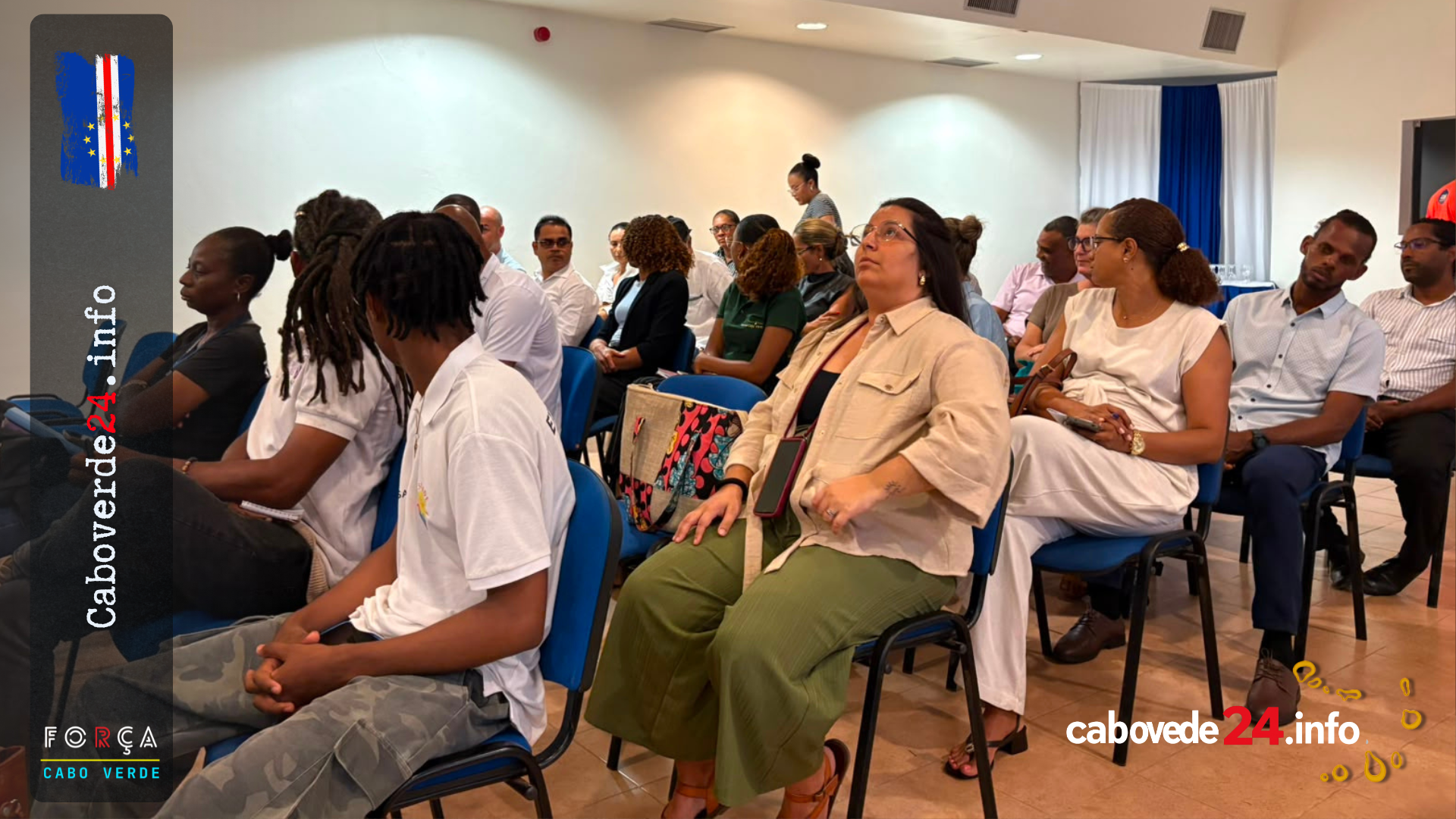


“Authorities in Bissau criticize the Cape Verdean government’s stance on the internal political situation and point to a lack of solidarity.”
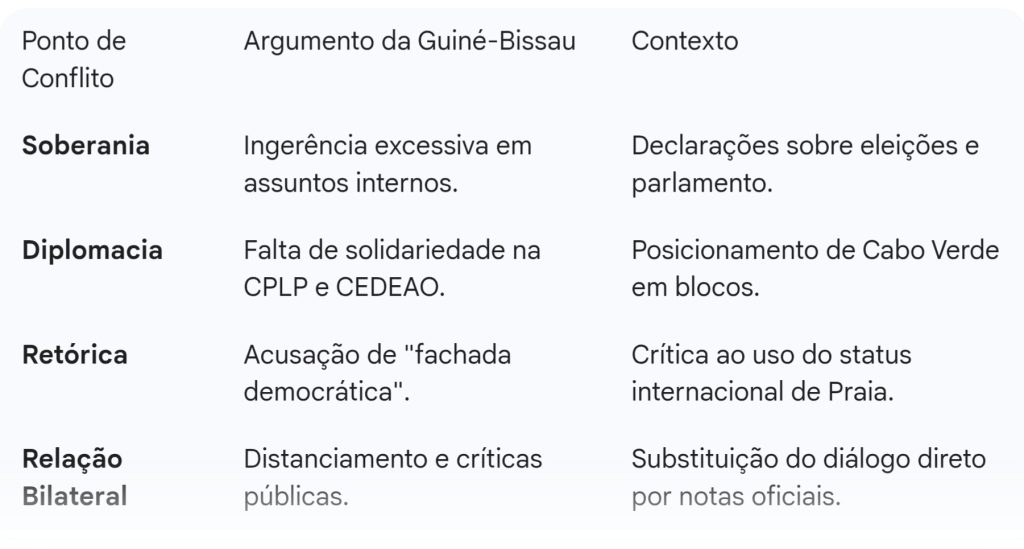
The tense climate between Bissau and Praia intensified after Cape Verde made statements about the institutional crisis in Guinea-Bissau. The Guinean government reacted harshly, accusing its neighbor of meddling in matters of sovereignty and maintaining a "democratic facade" that does not match the reality of its external interventions.
The reason for the disagreement
Guinea-Bissau's dissatisfaction stems from Cape Verde's recent diplomatic moves and statements within international organizations such as ECOWAS and the CPLP. For the authorities in Bissau, Cape Verde has taken a critical stance towards the transition process and the internal decisions of the Guinean government, which is interpreted as a violation of the principle of non-interference.
Bissau argues that Cape Verde, alongside other partners such as Angola, has projected an image of democratic superiority in order to judge Guinean institutions, ignoring local specificities and efforts toward stability.
Criticism of the "Democratic Facade"
One of the most sensitive points of the accusation lies in the argument that Cape Verde uses its international reputation for "stability" as a political tool to negatively influence external perceptions of Guinea-Bissau. The Guinean government regrets that, instead of solidarity and cooperation between sister countries, Praia has opted for an alignment that isolates Bissau in regional forums.
Summary of diplomatic tensions
About the Government of Guinea-Bissau?
The country is currently under a government structure led by President Umaro Sissocó Embaló, in a context of parliamentary dissolution and postponement of electoral processes. The government argues that these measures are necessary to maintain public order and combat attempts at destabilization, and these decisions have been scrutinized by Cape Verde.
Impact on regional relations
This unease affects not only the two countries, but reverberates throughout West Africa. Guinea-Bissau feels wronged by its historical partners, while Cape Verde maintains that defending democratic and constitutional principles in the region is a pillar of its foreign policy. The lack of consensus may hinder joint security and economic development projects in the Atlantic axis.
It should be remembered that relations between the two countries are historically deep, sharing the same process of national liberation. However, differences over the model of governance and the role of institutions have caused cyclical rifts over the last decade.
Caboverde24.info
Source and photo: Observador (February 16, 2026)
Editorial Note: The opinions and accusations cited in this article reflect the official statements of the authorities mentioned and do not represent the opinion of this website.