

“With attention focused on our resorts, we have examined data from ABTA and BBC surveys that reveal a history of manipulation in pursuit of unfair compensation.”
Following recent news reports allegedly blaming Cape Verde resorts for the poisoning of British tourists, we decided to conduct an online search for news and information to verify whether these incidents reflect actual health and safety failures or whether they may be part of a historical pattern of opportunistic litigation. The current scenario is marked by considerable uncertainty: while law firms in the United Kingdom, such as Irwin Mitchell, announce that they are representing more than 1,400 tourists with reports of serious pathogens such as Shigella and Salmonella, the history of the sector invites us to take a closer look at the veracity and motivation behind this massive volume of complaints.
The uncertainty surrounding the cases in Cape Verde
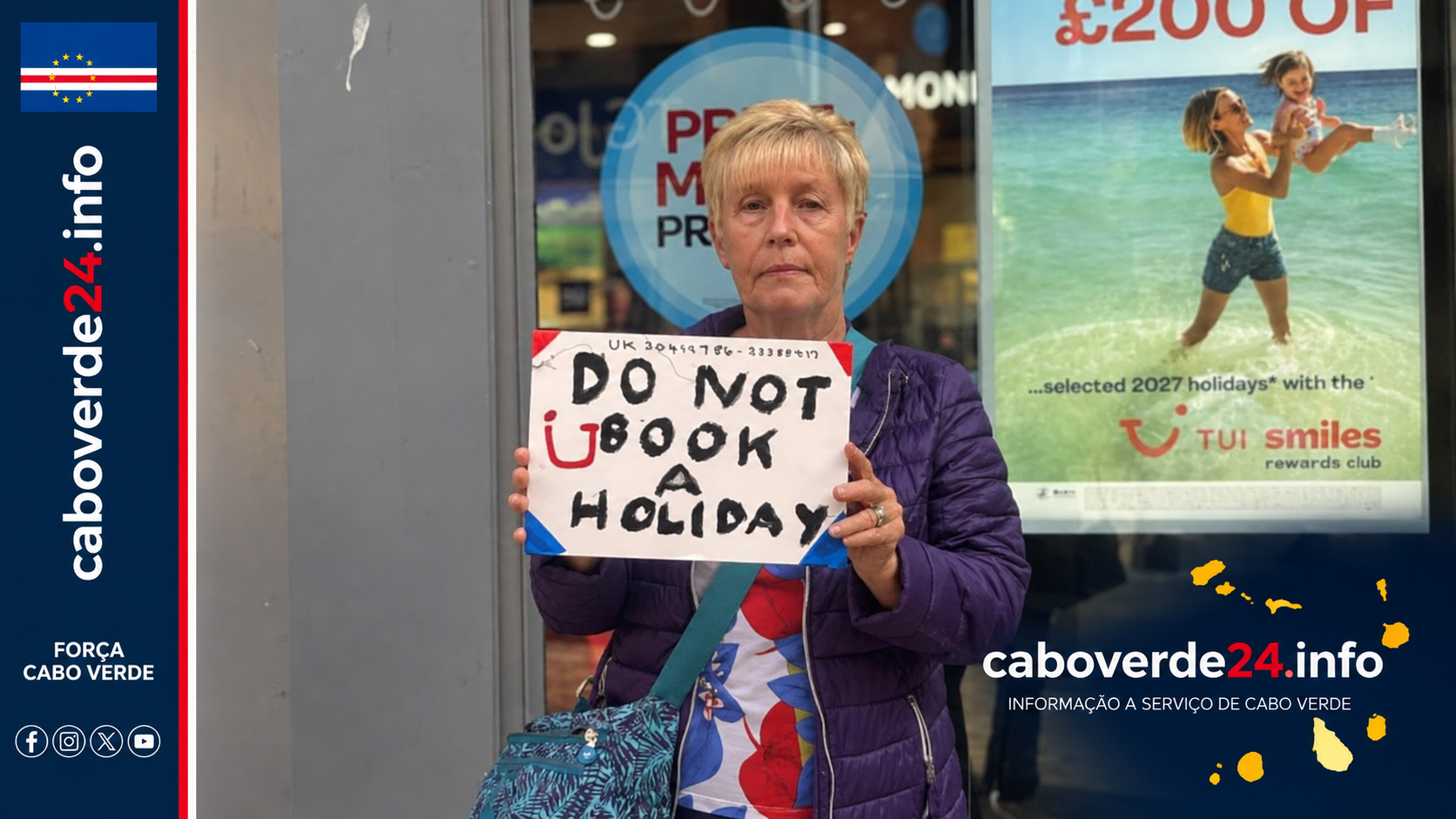
At this point, the allegations involving Cape Verde should be interpreted with caution. On the one hand, there are reports of deaths and serious hospitalizations in 2024 and early 2026, suggesting problems that require rigorous inspections by health authorities. On the other hand, the speed with which class actions involving hundreds of people are emerging raises questions about the "compensation industry." A legitimate question remains: are we facing a real health crisis or a new wave of "easy complaints" by agencies that profit from lawsuits against major tour operators such as TUI?
The history of fraud and the "profit industry"
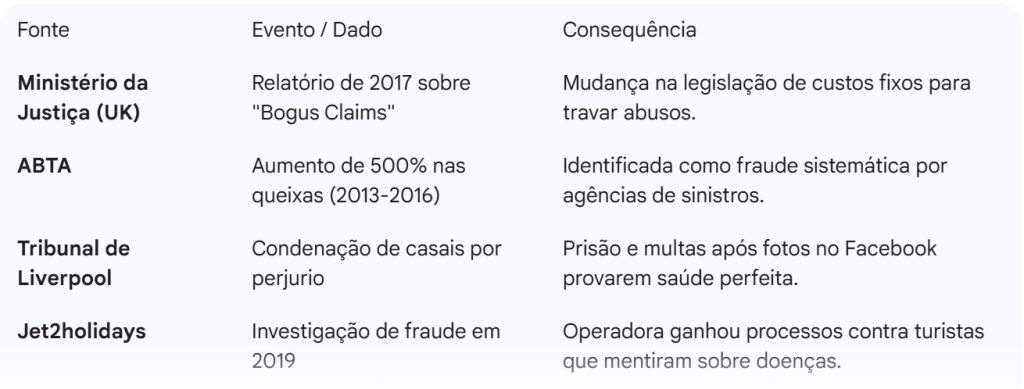
To understand the skepticism of many hoteliers, one must look at what has happened over the last decade. Between 2013 and 2017, the United Kingdom experienced a veritable "epidemic" of false food poisoning cases. According to data from the ABTA (Association of British Travel Agents), health complaints rose by 500%, even though global health reports showed no increase in outbreaks.
Investigations carried out by media outlets such as the BBC and The Guardian exposed how "compensation hunters" (touts) approached tourists at resorts, promising free vacations if they signed a complaint for diarrhea. In Spain, the hotel federation HOSBEC estimated losses of €60 million due to these scams. The British government was forced to intervene in 2017 and 2018, tightening laws to curb what the Ministry of Justice called a "culture of dubious health claims."
Data and facts from past investigations
Who is Irwin Mitchell?
Irwin Mitchell is one of the UK's largest law firms, specializing in personal injury and international litigation. Recently, it has been the visible face of lawsuits against resorts in Cape Verde, alleging systemic failures in food hygiene. Although it is a legally recognized entity, its aggressive approach to attracting clients for class actions is often viewed with reservation by hoteliers, who consider them an integral part of the infrastructure that fuels the culture of compensation claims in the UK.
Conclusion and reflection
All of this information leads us to a crossroads of interpretations. It should be remembered that, although the past reveals opportunistic behavior on the part of the British market to obtain unfair compensation, recent cases reported in Cape Verde are so serious that they cannot be ignored. The reputation of the archipelago now depends on a technical investigation that can separate the "habit of easy complaints" from structural health problems that need to be resolved.
Cape Verde 24.info
Sources: ABTA reports (2017–2020), GOV.UK Insurance Fraud Investigation, and Irwin Mitchell press releases (2024–2026).
Editorial Note: The historical information presented is intended to provide context for readers. The statements published do not represent a verdict on the current investigations underway at Cape Verde resorts, which are the sole responsibility of the judicial and health authorities.