

“EU decision aims to eliminate long queues and excessive waiting times for citizens of Cape Verde and other countries outside the Schengen area”
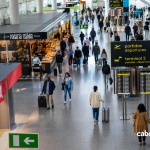
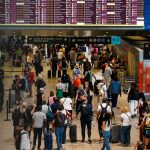
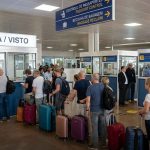
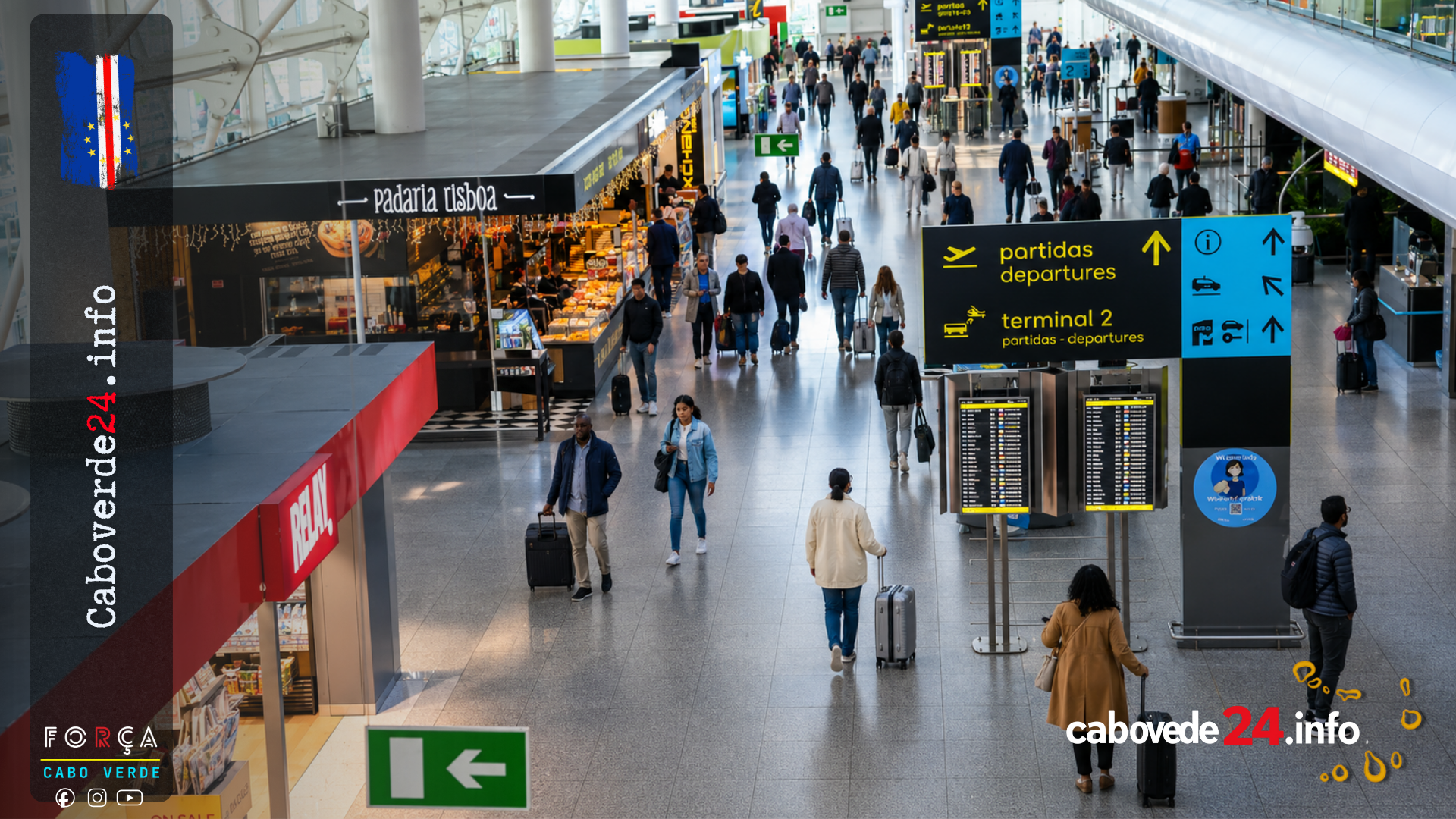
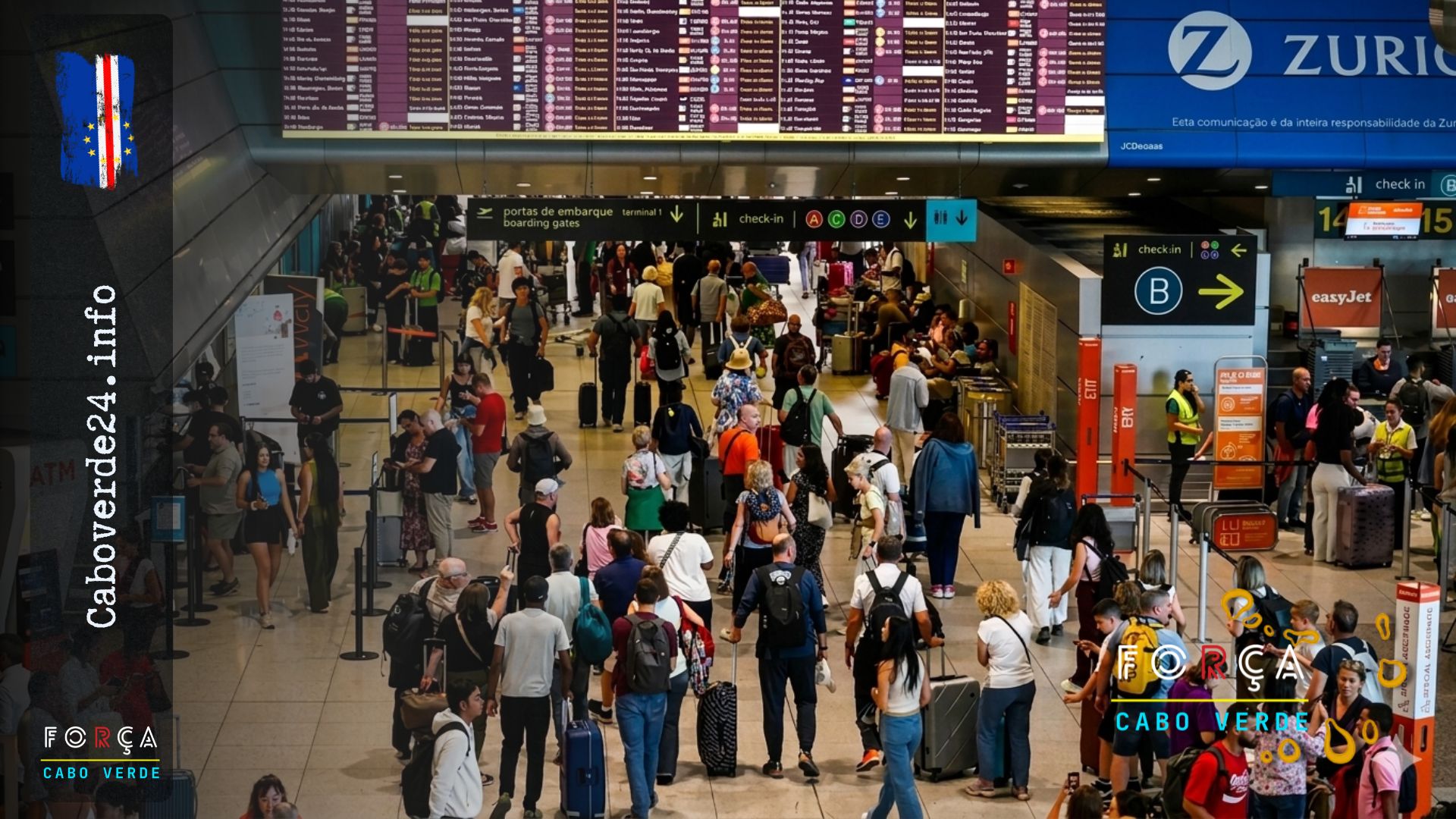
We recall that in October 2025, the European Union's new Entry/Exit System (EES) came into force, requiring all non-European travelers to register their fingerprints and photographs at electronic kiosks upon arrival. This measure, although designed to increase security, caused unprecedented congestion at Humberto Delgado Airport in Lisbon, with waits exceeding three hours.
The European Union, in coordination with the Portuguese government, has authorized the temporary suspension of the digital biometrics system at Lisbon Airport. The measure, initially valid for 90 days, comes as a direct response to the logistical "chaos" that has taken hold in the Portuguese capital since the implementation of the new border control rules.
For Cape Verdeans, who are one of the communities that most frequently use the air route between Praia and Lisbon, this decision represents immediate relief in the process of entering Portuguese territory.

The temporary end of digital kiosks
With this suspension, the entry process returns to the conventional model. The biometric data collection kiosks, which were causing significant delays due to technical failures and many passengers' unfamiliarity with the system, will be turned off or made optional.
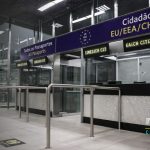
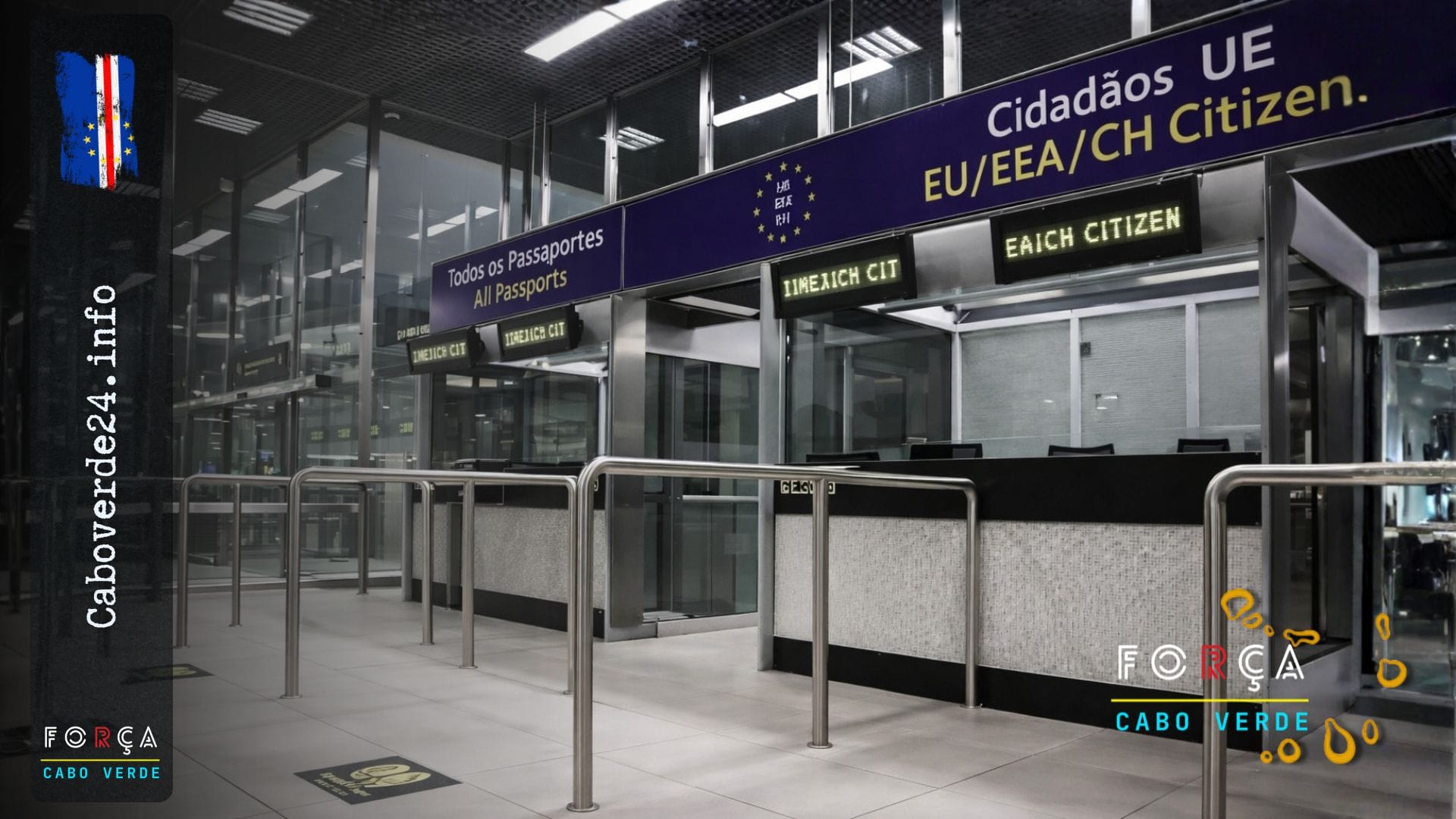
In practice, when landing in Lisbon from Cape Verde, passengers should go directly to the PSP (Public Security Police) counters. The check will be carried out manually, with passport and visa verification, and the traditional entry stamp. It is estimated that this change will reduce processing time per passenger from three minutes to less than one minute.

Why this decision now?
The Portuguese government justified the suspension with the need to carry out adaptation works at the airport and purchase more equipment. The current system proved insufficient for the volume of traffic, especially on busy dates. With the approach of holiday periods and increased migratory flows, maintaining the digital system could lead to a total breakdown of airport services.
In addition, reinforcements from the PSP (Public Security Police) and logistical support from other security forces have been announced to ensure that manual service booths operate at full capacity during this period of suspension.
What remains unchanged for Cape Verdeans
It is vital that travelers understand that the suspension is technical and not legislative. This means that:
-
Visas: Visa requirements (whether for tourism, work, or study) remain unchanged.
-
Documentation: Proof of accommodation, means of subsistence, and return ticket must still be presented if requested by the authorities.
-
Security: Security checks and criminal background checks in international databases continue to be carried out rigorously, but now using traditional methods.
This three-month break will allow Portugal to install new state-of-the-art "e-gates" and train more staff, with the digital system expected to return more efficiently in mid-2026. Until then, Cape Verdeans can expect a significantly faster and less bureaucratic.
Cape Verde 24.info
Source: Portuguese Ministry of Internal Administration (MAI)
Image: Canva