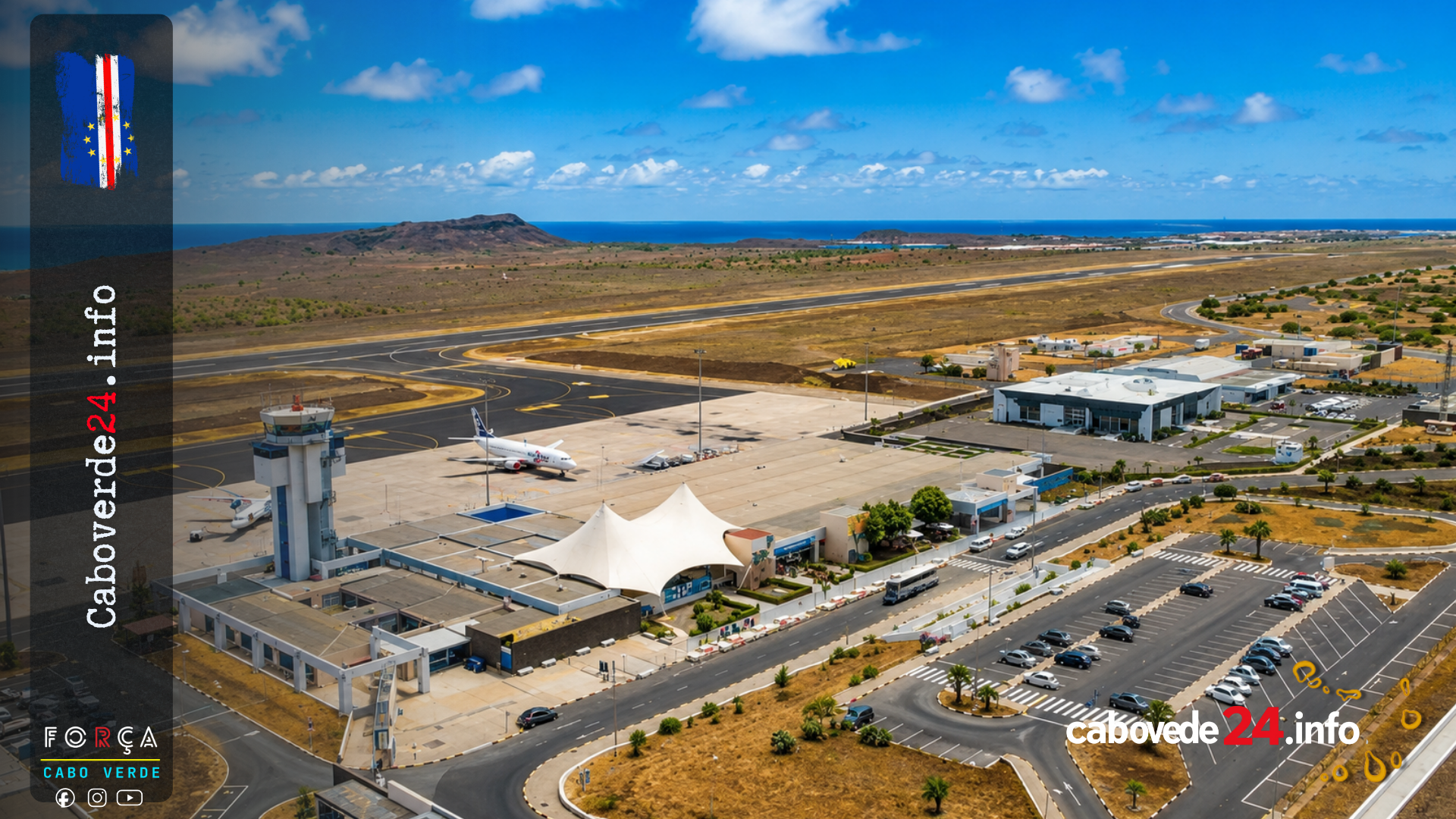


“Bureaucratic blockage in fiscal transition stifles real estate sector and paves the way for compensation claims”
Since the first day of 2026, the real estate and construction sectors in Cape Verde have faced unexpected paralysis. The entry into force of new tax codes on property, which were supposed to modernize the system, has been marked by a technical inability to process new purchase and sale registrations. Companies and citizens who have carried out transactions this year find themselves in a "legal and administrative vacuum," unable to formalize their properties due to the failure of computer systems to adapt to the new legal requirements. This administrative failure now opens the door to possible claims for compensation against the state for the damage caused.
Direct impact on companies and investment
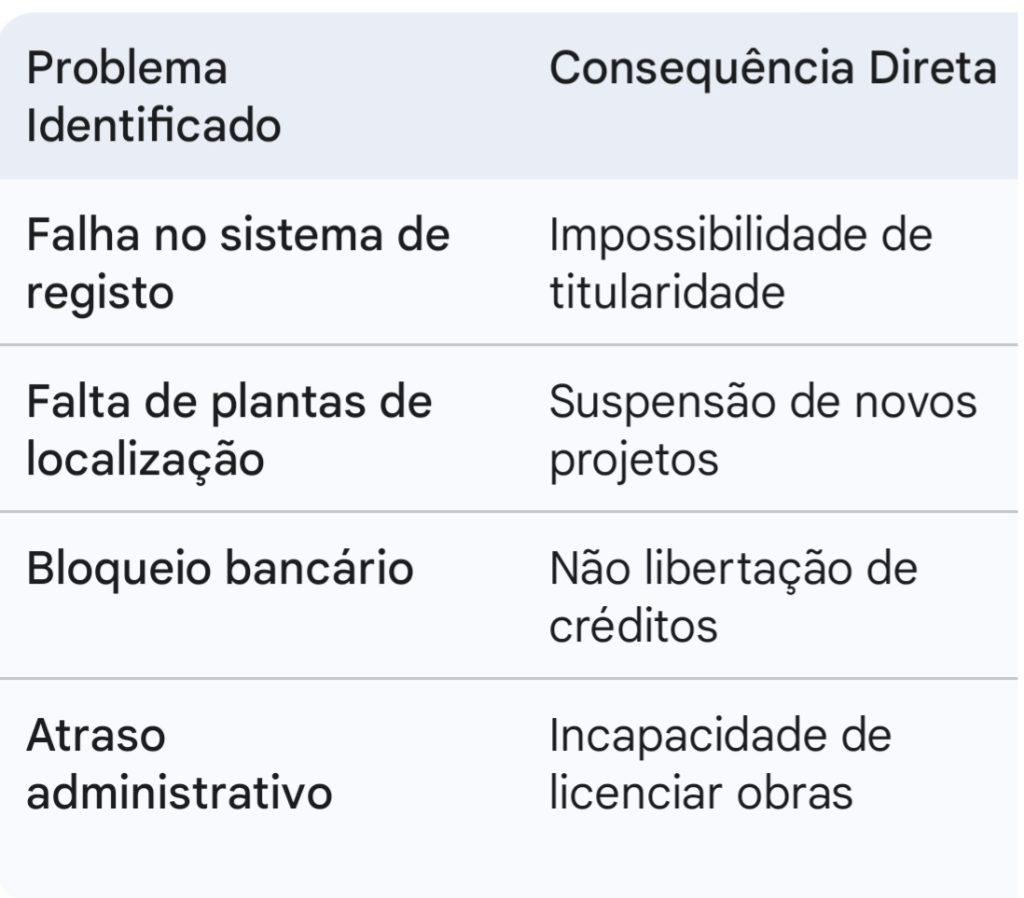
For the business sector, the situation is critical. Many real estate and construction companies, after acquiring land for urbanization or properties for renovation, find themselves unable to move forward. Without proof of property registration—which is impossible to obtain at this time for deeds from 2026—local authorities and competent entities do not issue or update location plans. This obstacle prevents the submission of architectural and engineering projects, suspending investments that should already be generating employment and economic activity.

The block on bank financing
Ordinary citizens are also penalized. In Cape Verde, the vast majority of real estate purchases depend on bank credit. Financial institutions only release loan funds after presentation of the land registry certificate. With the system blocked, financing processes are at a standstill, preventing families from completing their purchases and leaving real estate developers without the liquidity necessary to honor their commitments.
How to claim compensation for damages suffered?
In view of the actual financial losses—such as late payment interest paid to banks, loss of deposits on promissory contracts, or maintenance costs for idle construction sites—those affected may seek legal recourse. The claim for compensation must be based on the civil liability of the State. To do so, it is necessary to:
- Document the damage: Gather evidence of financial losses directly linked to the delay (e.g., credit refusal letters, revoked contracts).
- Proving omission: Demonstrating that the State failed to provide the means to enforce a law it itself had passed.
- Administrative Action: The interested party should, preferably through a lawyer, file a lawsuit in the administrative courts against the State, demanding compensation for property damage.
Who is responsible for Cape Verde's real estate tax system?
The real estate tax system is the set of mechanisms that regulate taxation on urban and rural properties. In Cape Verde, the former IUP was the basis of municipal revenues. The transition to ITI (Transfer) and IPI (Property) aims to modernize tax collection, separating the transaction from continuous ownership, with a view to greater transparency and tax fairness for owners.
The contradiction of legislative planning
What causes outrage is that this change was not sudden. The reform that abolished the IUP was approved in May 2025 and published in June. There were more than six months for the administrative machine to be prepared. The current paralysis reveals a serious flaw in the coordination between the legislator and the technical execution of public services, generating a domino effect of financial losses.
Macroeconomic and social consequences
This state of affairs is a blow to the national economy. The construction sector is one of the largest employers in the country. With projects at a standstill, the risk of layoffs increases significantly. In addition, the drastic reduction in the volume of transactions will inevitably have an impact on the calculation of GDP in 2026, which could seriously compromise the economic growth targets announced by the government for the current year.
It should be remembered that the tax reform of assets was one of the most eagerly awaited, promising to simplify processes, but the failure in technical implementation is stifling one of the pillars of the Cape Verdean economy at the beginning of this year.
Caboverde24.info
Source: Laws No. 54/X/2025 and 55/X/2025; Civil Code of Cape Verde (Civil Liability).
Editorial Note: The guidelines on compensation are for informational purposes only. Citizens and companies are advised to seek specialized legal advice to analyze each specific case before the courts.